Computer hardware components play a crucial role in the overall performance of a system. Each component, from the CPU to the storage devices, fulfills a specific function that contributes to efficient computing. Understanding these components is vital for optimizing performance and ensuring that a system meets its intended purpose. However, many users may not fully grasp how each part interacts within the system. Exploring these elements further reveals insights that can significantly enhance computing experiences.
Central Processing Unit (CPU)
The Central Processing Unit (CPU) is often regarded as the brain of a computer, executing instructions and processing data essential for system operation.
CPU architecture defines its design and functionality, influencing overall performance.
Performance benchmarks provide measurable insights into a CPU’s efficiency and speed, allowing users to evaluate different models.
Understanding these aspects empowers individuals to make informed choices for their computing needs.
See also: Difference Between Technology and Innovation
Motherboard
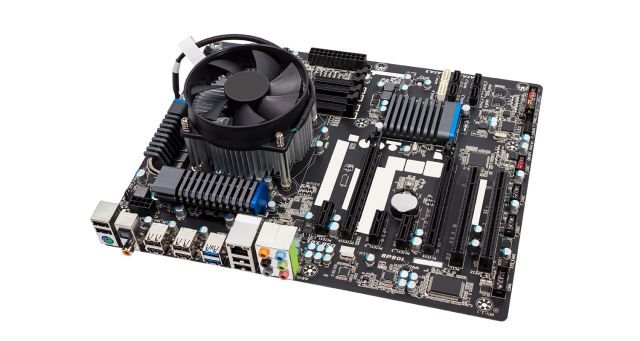
A motherboard serves as the main circuit board within a computer, providing the necessary connections for various hardware components, including the CPU, memory, and storage devices.
Diverse motherboard types exist, such as ATX and microATX, each offering unique features.
Key motherboard features include expansion slots, power connectors, and integrated audio, which facilitate customization and enhance a user’s computing experience.
Memory (RAM)
When considering the performance of a computer, memory, commonly referred to as RAM (Random Access Memory), plays a crucial role in determining how efficiently tasks are executed.
Various RAM types, such as DDR4 and DDR5, offer different memory speeds that directly impact processing capabilities. Higher memory speed enhances multitasking and application performance, allowing users greater freedom to run demanding software seamlessly.
Storage Devices
Storage devices serve as the backbone of a computer’s data management, providing the means to save and retrieve information.
They come in two primary forms: hard drives and solid state drives (SSDs). Hard drives utilize spinning disks to store data, while SSDs use flash memory for faster access and greater reliability.
Each type offers unique advantages, catering to diverse user needs and preferences.
Conclusion
In summary, understanding computer hardware components is akin to knowing the intricate roles in a well-rehearsed orchestra. Just as each musician contributes to a harmonious symphony, the CPU, motherboard, RAM, and storage devices work together to create a seamless computing experience. A powerful CPU may be likened to a skilled conductor, while the motherboard serves as the stage that connects all performers. Recognizing these components empowers users to optimize their systems for peak performance, ensuring a symphony of efficiency.