Many homeowners look at a roof and judge its condition by what they can see from the yard. If the shingles still appear mostly intact, it is easy to assume the system is doing its job. That assumption often misses one of the most important causes of premature roof damage. For homeowners thinking about roof repair Boise, poor ventilation deserves far more attention than it usually gets because it can shorten roof life from the inside out.
A roof is not just an outer layer of shingles. It is a system that depends on airflow, temperature balance, moisture control, and structural support. When attic ventilation is weak, heat and moisture collect where they should not. That buildup can wear down shingles, strain the decking, and create conditions that make leaks and repair costs more likely.
Trapped Attic Heat and Moisture Can Wear a Roof Out From the Inside
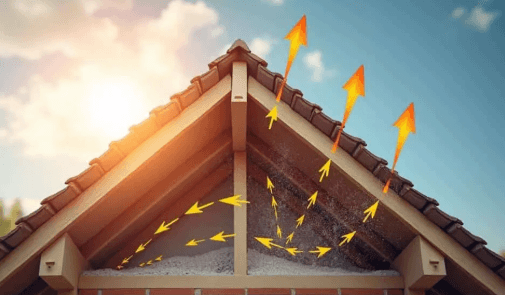
Poor ventilation does more than make an attic uncomfortable. It creates conditions that put extra stress on the roof throughout the year. In hot weather, trapped heat builds beneath the roof and keeps the shingles warmer for longer stretches of the day. Over time, that can dry them out, make them more brittle, and shorten their lifespan.
Moisture can be just as damaging. When humid air has nowhere to go, condensation can collect inside the attic and settle into nearby materials. Wood, insulation, and other parts of the roof system can stay damp even when nothing looks wrong from the outside. That hidden buildup is what makes ventilation problems so costly. The roof may appear fine from the ground, while the materials underneath are slowly deteriorating.
The Early Signs Often Show Up in Unexpected Ways
Ventilation problems do not always announce themselves as one clear issue. Sometimes the first clues seem unrelated. A musty smell after rain, dark areas in the attic, or insulation that feels damp can all point to trapped moisture. A rise in energy bills can also be part of the story because an overheated attic makes the home harder to keep comfortable.
The roof surface may start giving clues as well. Shingles can look worn earlier than expected. Granules may begin collecting in gutters. Some sections may appear more weathered than others. These signs do not always mean the roof is near complete failure, but they do suggest that the system may be aging under extra strain.
That is what makes ventilation problems easy to misread. Homeowners often focus on the visible symptom, such as a small leak or a patch of damaged shingles, without realizing the conditions below the surface are helping create the same trouble again.
Repeated Repairs Can Point to a Bigger Problem
A repair can solve a local issue, but it may not last if the larger cause has not been addressed. That is especially true when attic heat and moisture continue building in the same space. A section of shingles might be replaced, flashing might be resealed, and the roof may appear fixed for the moment. If the attic still lacks proper airflow, the materials can keep aging faster than they should.
This is where some homeowners get stuck in a frustrating cycle. One area of the roof gets repaired, then another issue appears later. The repeated problems may seem unrelated, but poor ventilation can connect them. A roof that stays too hot or too damp is more likely to develop surface wear, moisture intrusion, and wood deterioration over time.
The Right Repair Should Look Beyond the Surface
A good roof inspection should not stop at the shingles. It should also consider what is happening in the attic and how the roof is functioning as a whole. That includes checking for signs of trapped heat, moisture buildup, weakened wood, and insulation issues that may be contributing to the problem.
In some cases, the right fix is still a straightforward repair. In others, the roof needs more than patching because the same conditions will keep causing damage. Homeowners should understand whether the issue is isolated or whether ventilation, drainage, or moisture control needs to be improved as part of the repair plan. That broader view matters because a roof does not fail in pieces by accident. When one part starts breaking down early, there is often a reason.
See also: Solar Generator Benefits for Home Backup Power
A Stronger Roof Depends on More Than New Shingles
The biggest mistake homeowners can make is treating every roofing issue as a surface problem. Ventilation affects how long materials last, how well moisture escapes, and how much stress the roof carries through changing seasons. Ignoring it can lead to recurring leaks, wasted repair costs, and a roof that wears out sooner than expected.
For anyone considering roof repair in Boise, the smarter approach is to think beyond the visible damage. A roof lasts longer when the whole system is working together. When airflow is part of the repair conversation, homeowners have a much better chance of fixing the real problem instead of paying to patch the same weaknesses again.