Maintaining clean solar panels is crucial for ensuring maximum energy production and a reliable household power supply. Over time, dust, pollen, bird droppings, and other debris accumulate on the surface, reducing the sunlight that panels can capture and lowering efficiency. Even a thin layer of dirt can noticeably decrease electricity output, which affects both daily energy use and the performance of solar battery backup systems. Proper cleaning not only restores efficiency but also extends the lifespan of panels and helps protect the investment in renewable energy. In this article, readers will learn practical, everyday strategies for cleaning solar panel systems and when professional assistance may be necessary.
1. Why Cleaning Matters
Solar panels work by absorbing sunlight and converting it into electricity, which powers the home and can store energy in solar battery backup systems. Any accumulation of debris blocks sunlight, decreasing the energy captured and lowering overall system performance. Even small reductions in output can accumulate over time, reducing the financial and environmental benefits of solar energy. Regular cleaning also prevents uneven wear or hotspots on panels, which may shorten their effective lifespan. Clean panels maintain consistent energy output and help homeowners get predictable savings on electricity bills. By prioritizing regular cleaning, households ensure both efficiency and long-term reliability.
2. How Often to Clean
The frequency of cleaning depends on local conditions such as dust, pollen, and bird activity. Homes in areas with frequent rain may require less frequent cleaning, while dry, dusty regions may necessitate more regular attention. Seasonal factors, like falling leaves in autumn or pollen in spring, can create noticeable buildup that affects panel performance. Observing energy output is an effective way to identify when cleaning is necessary; a steady drop in production may indicate that debris is interfering with sunlight capture. In addition to visual inspection, reviewing system monitoring data helps determine the optimal cleaning schedule. A consistent but moderate approach ensures efficiency without overworking the panels or wasting resources.
3. Safety First: Know When Not to DIY
While cleaning panels may appear simple, safety is a key consideration, especially for rooftop systems. Avoid climbing onto steep or slippery roofs without proper equipment or assistance, and ensure that ladders and supports are stable. Do not attempt cleaning during hot midday hours when panel surfaces may be hot or slippery. Electrical connections should never be tampered with, and harsh cleaning chemicals or abrasive tools should be avoided, as they can damage panel coatings. For larger arrays or multi-story homes, professional cleaning is often safer and more effective. Recognizing the limits of DIY maintenance protects both personal safety and the long-term functionality of the panels.
4. What You’ll Need
Soft Brush or Squeegee with Extension Pole
A soft brush or squeegee with an extension pole is ideal for removing debris gently without scratching the panel surface. These tools allow cleaning from the ground or low points on the roof, reducing the need to climb or reach unsafely. Avoid abrasive brushes or metal tools that may wear down the protective coating. Extension poles enable more precise control and allow for thorough cleaning of corners and edges. A squeegee helps remove water efficiently, leaving the panels streak-free. Gentle tools combined with patience ensure an effective and safe cleaning process.
Hose with Spray Nozzle, Mild Soap If Needed
A hose with a spray nozzle is essential for rinsing off loose dirt and debris before scrubbing. Mild, biodegradable soap can be added to remove sticky grime or bird droppings, while avoiding harsh chemicals that might damage panels. Spray in a top-to-bottom motion to let gravity carry debris away. Using low-pressure water protects the panel surface and prevents leaks at electrical connections. Rinsing thoroughly ensures that no soap residue remains to attract additional dirt. Proper water and soap management keeps panels both clean and efficient over time.
5. Step-by-Step Cleaning Process
Rinse Panels with water to Remove Loose Debris
Begin by spraying panels with water to remove loose dirt, leaves, or dust. This initial rinse prevents scratching when scrubbing and helps identify stubborn areas that require extra attention. Ensure water reaches all corners, but avoid high-pressure jets that may damage panels or seals. A careful rinse reduces the amount of scrubbing needed and protects the surface. Observing water runoff can also reveal areas with uneven accumulation. This simple first step helps restore maximum light absorption.
Gently Scrub with a Soft Brush and Soapy Water
Use a soft brush with mild soapy water to clean areas with remaining grime. Scrub lightly in smooth strokes, avoiding excessive pressure that could scratch or crack the panels. Focus on areas with stubborn dirt or bird droppings, while leaving clean spots largely untouched. Moving from top to bottom helps debris flow off the panels naturally. Careful scrubbing ensures that panels maintain their high efficiency and do not sustain long-term damage. Repeating this periodically keeps the solar system performing at its best.
Rinse Thoroughly and Let Air Dry
After scrubbing, rinse the panels thoroughly with clean water to remove all soap residue. Leftover soap can cause streaks and attract new dirt. Let panels air dry naturally to avoid cloth scratches or streaking. Ensure all edges and corners are rinsed properly, as dirt often collects in these areas. Air drying allows the panels to return to optimal efficiency quickly. Clean, dry panels maximize both energy capture and overall longevity of the system.
See also: Difference Between Technology and Innovation
6. When to Call a Professional
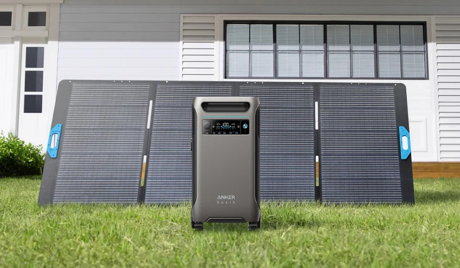
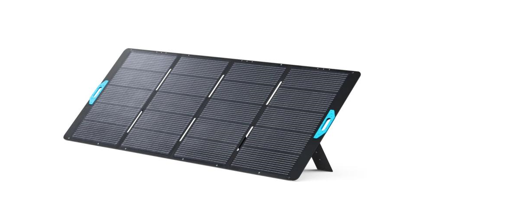
Even with the right tools and precautions, professional cleaning is often the safest and most efficient choice—particularly for panels on steep or multi-story roofs. Experts can complete the job quickly, using specialized tools to ensure a thorough clean without risking damage. However, for those looking to minimize maintenance over the long term, choosing the right solar setup from the start can make all the difference. This is where solutions like Anker’s panels solar home use come in. Designed with simplicity in mind, they offer a portable and highly efficient alternative that is not only easier to install but also simpler to clean and maintain. Whether used to supplement an existing system or as the foundation for a new one, this approach combines long-term energy savings with everyday convenience—keeping both your home powered and your routine hassle-free.
Conclusion
Cleaning solar panels is essential for maintaining efficiency, prolonging lifespan, and ensuring reliable energy production. Regular maintenance using simple tools like soft brushes, hoses, and mild soap is effective and safe when performed correctly. Observing energy output and seasonal debris accumulation helps determine the appropriate cleaning frequency. Professional assistance is advisable for larger or more complex installations or when safety risks are present. Choosing high-quality panels, such as Anker Solar Panels, supports reliable performance and integrates smoothly with a solar home system and solar battery backup. Combining routine maintenance, proper cleaning techniques, and thoughtful panel selection maximizes energy output, cost savings, and long-term benefits for any household.