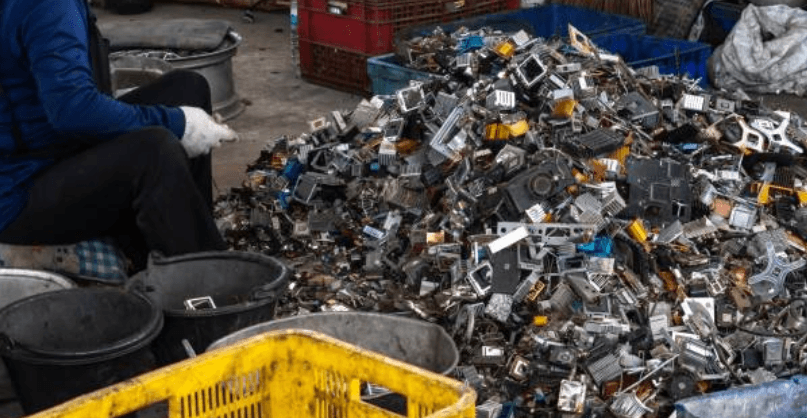
The rapid pace of technological advancement has transformed how businesses operate, but it has also led to a significant increase in discarded electronic devices. From outdated computers and servers to mobile phones and networking equipment, electronic waste continues to grow at an alarming rate. In this context, e-waste recycling has become a critical practice for organizations seeking to meet regulatory requirements while minimizing their environmental footprint.
Improper disposal of electronic waste poses serious risks, including toxic pollution, data breaches, and legal penalties. Responsible recycling practices not only address these challenges but also promote sustainability and resource conservation. As businesses become more conscious of their environmental and social responsibilities, adopting structured e-waste recycling strategies is no longer optional—it is essential.
Understanding E-Waste and Its Impact
E-waste refers to discarded electrical or electronic devices that have reached the end of their useful life. These items often contain hazardous materials such as lead, mercury, cadmium, and brominated flame retardants. When improperly disposed of, these substances can contaminate soil, water, and air, causing long-term environmental damage.
At the same time, electronic devices also contain valuable materials such as gold, silver, copper, and rare earth metals. Recovering these resources through responsible recycling reduces the need for mining and conserves natural resources.
The dual nature of e-waste—hazardous yet valuable—makes proper recycling both an environmental necessity and an economic opportunity.
The Importance of Compliance in E-Waste Recycling
Governments and regulatory bodies across the world have introduced strict guidelines to manage electronic waste. These regulations aim to ensure safe disposal, prevent illegal dumping, and promote sustainable practices.
For businesses, compliance involves:
- Proper handling and storage of e-waste
- Partnering with authorized recycling providers
- Maintaining documentation and audit trails
- Ensuring data security during disposal
Failure to comply with these regulations can result in heavy fines, legal action, and reputational damage. Responsible e-waste recycling helps organizations meet these requirements while demonstrating their commitment to ethical practices.
Environmental Benefits of Responsible Recycling
1. Reduction of Toxic Pollution
Electronic waste contains harmful chemicals that can leach into the environment if not properly managed. Responsible recycling ensures that these substances are safely extracted and disposed of, preventing contamination.
2. Conservation of Natural Resources
Recycling allows valuable materials to be recovered and reused in the production of new devices. This reduces the demand for raw materials and minimizes the environmental impact of mining activities.
3. Energy Savings
Manufacturing products from recycled materials often requires less energy compared to using raw materials. This contributes to lower carbon emissions and supports global efforts to combat climate change.
4. Waste Reduction
Proper recycling reduces the volume of waste sent to landfills, extending their lifespan and reducing environmental strain.
Key Components of an Effective E-Waste Recycling Strategy
Asset Inventory and Assessment
The first step in responsible recycling is identifying and categorizing all electronic assets within an organization. This includes understanding the condition, usage, and disposal requirements of each device.
Secure Data Destruction
Before recycling any device, it is essential to ensure that all sensitive data is permanently erased. Data destruction methods such as wiping, degaussing, or physical shredding prevent unauthorized access and protect organizational information.
Certified Recycling Processes
Working with certified recycling providers ensures that e-waste is handled in accordance with industry standards and environmental regulations. These providers follow strict procedures for collection, transportation, and processing.
Documentation and Reporting
Maintaining accurate records of recycling activities is crucial for compliance and audits. Documentation may include certificates of recycling, asset tracking reports, and data destruction verification.
Role of Businesses in Promoting Sustainable Practices
Organizations play a significant role in reducing the impact of electronic waste. By adopting responsible recycling practices, businesses can lead by example and encourage sustainability across their industries.
Key initiatives include:
- Implementing internal recycling policies
- Educating employees about proper disposal methods
- Extending the lifecycle of devices through refurbishment
- Supporting circular economy practices
These efforts not only benefit the environment but also enhance corporate reputation and stakeholder trust.
Challenges in E-Waste Recycling
Despite its importance, e-waste recycling presents several challenges:
Rapid Technological Obsolescence
Frequent upgrades and innovations lead to shorter device lifecycles, increasing the volume of e-waste.
Lack of Awareness
Many organizations and individuals are unaware of proper recycling methods and the risks of improper disposal.
Complex Supply Chains
Managing the collection, transportation, and processing of e-waste can be logistically challenging.
Data Security Concerns
Ensuring complete data destruction before recycling remains a critical concern for businesses.
Addressing these challenges requires a combination of education, technology, and collaboration with experienced recycling partners.
Best Practices for Responsible E-Waste Recycling
To ensure effective and compliant recycling, organizations should follow these best practices:
- Develop a comprehensive e-waste management policy
- Partner with certified and reputable recycling providers
- Ensure secure data destruction before disposal
- Maintain detailed records for compliance and audits
- Regularly review and update recycling strategies
- Promote awareness and training among employees
These practices help create a structured approach to managing electronic waste while minimizing risks.
Future Trends in E-Waste Management
As environmental concerns continue to grow, the future of e-waste recycling is expected to evolve with new technologies and practices. Some emerging trends include:
- Advanced recycling technologies for better material recovery
- Increased adoption of circular economy models
- Integration of digital tracking systems for asset management
- Stronger global regulations and enforcement
These developments will further enhance the efficiency and effectiveness of recycling processes, making it easier for organizations to meet their sustainability goals.
Conclusion
Responsible e-waste recycling is a vital component of modern business operations, addressing both compliance requirements and environmental protection needs. By implementing structured recycling strategies, ensuring data security, and partnering with certified providers, organizations can significantly reduce their environmental impact while maintaining regulatory compliance.
As the volume of electronic waste continues to rise, businesses must take proactive steps to manage their IT assets responsibly. Sustainable recycling practices not only protect the environment but also contribute to long-term operational efficiency and corporate responsibility.
Organizations looking to strengthen their approach to e-waste management can explore comprehensive solutions offered by E-xpire, focusing on secure, compliant, and environmentally responsible asset disposal.
Ultimately, embracing responsible e-waste recycling is not just a regulatory obligation—it is a commitment to a cleaner, safer, and more sustainable future.